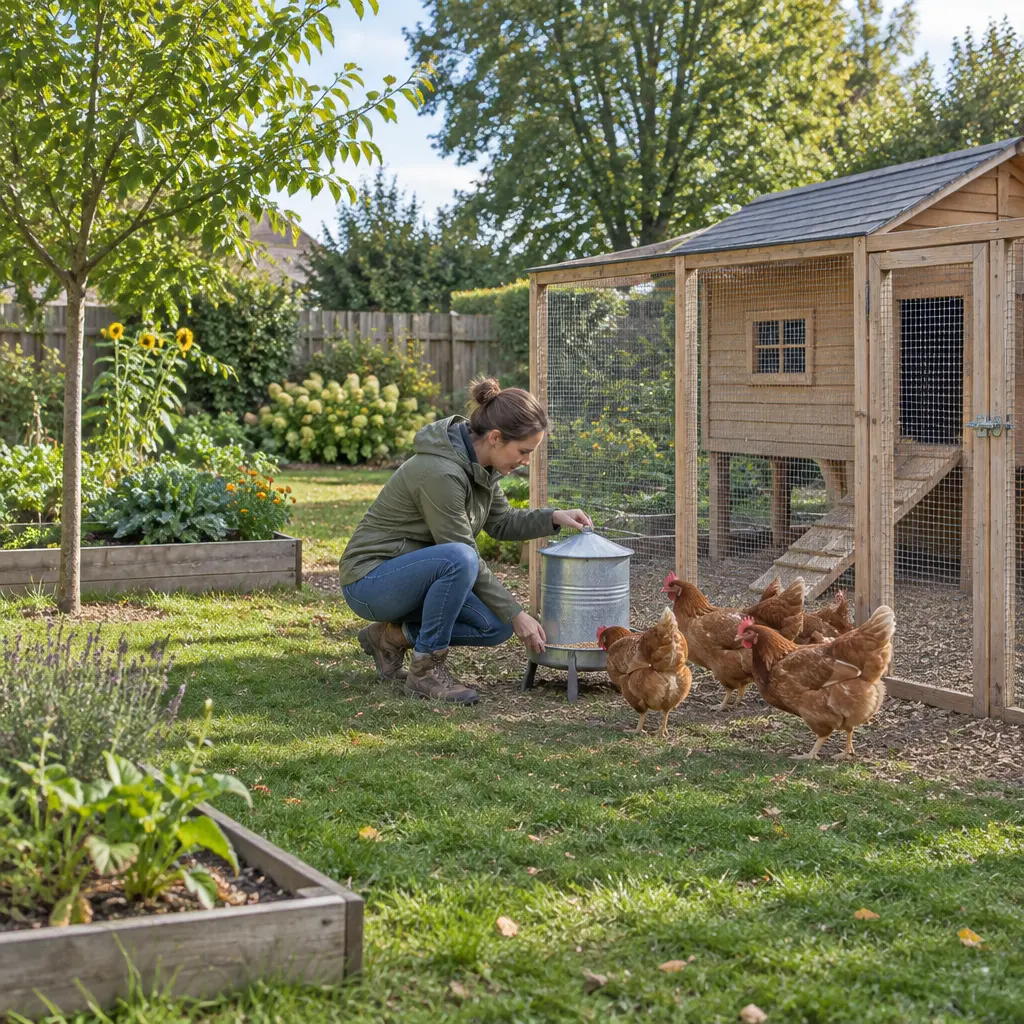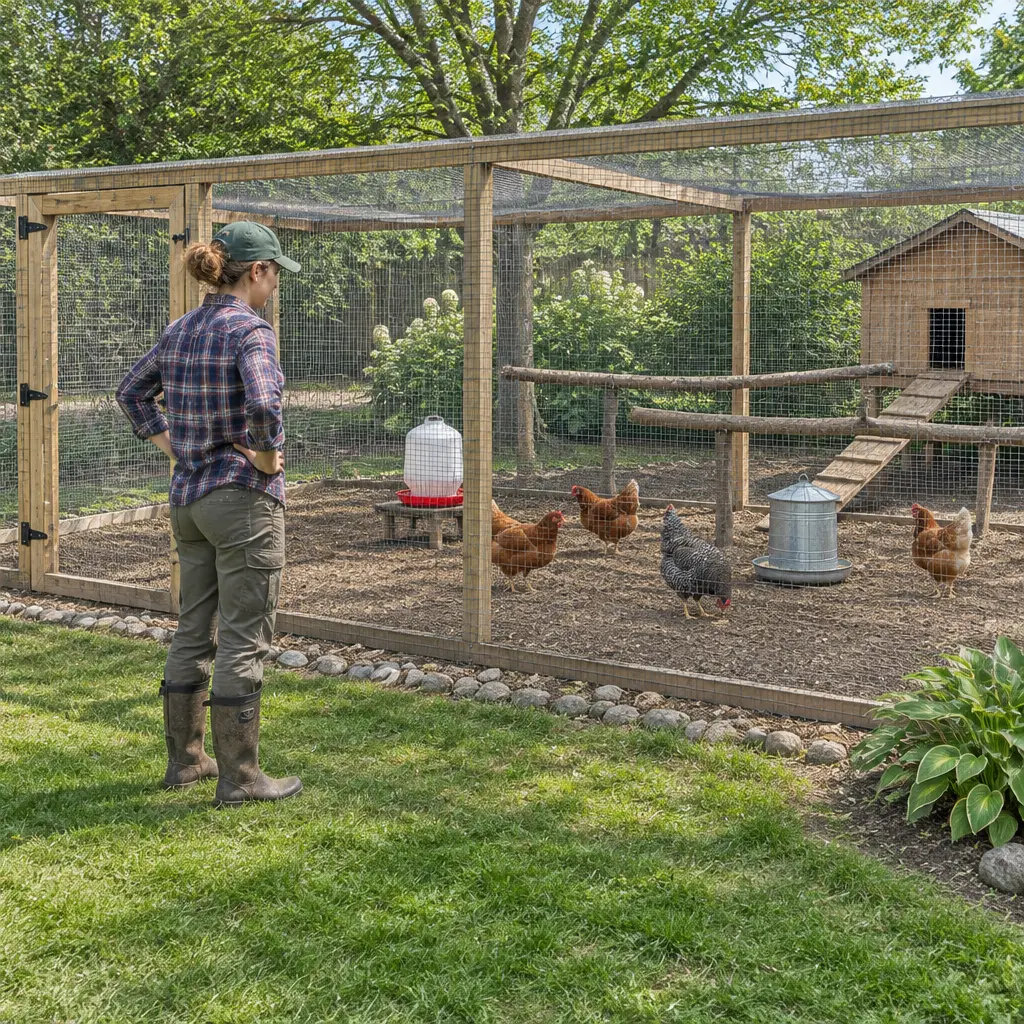
Introducing chickens is a process of gradually building familiarity, not simply placing unfamiliar birds together and expecting them to settle. A chicken flock’s social order—often called the pecking order—can involve brief chasing and pecking, but repeated attacks, injuries, or birds unable to reach food and water signal a management problem. The safest approach is to quarantine newcomers, begin with visual contact through a secure barrier, provide extra space and resources, and supervise short, gradual introductions. Extension guidance commonly recommends keeping new birds separate for about 30 days to reduce the risk of bringing disease into the flock; that interval is a practical precaution, not a guarantee that every infection will be detected.
How Gradual Introduction Supports Chicken Flock Behavior and Management
Flock integration is the managed process of acclimating chickens from separate groups until they can share space with minimal conflict. The University of Minnesota Extension and other poultry-care authorities describe quarantine, gradual exposure, adequate space, and observation as core safeguards. These steps matter because aggression can cause wounds, prevent subordinate birds from eating or drinking, and allow contagious disease to spread. There is no universal number of days that guarantees a peaceful merger: age, size, temperament, housing, and the birds’ previous social experience all affect the outcome.
What the pecking order means
The pecking order is a flock’s social ranking, established through interactions such as displacement, posturing, and occasional pecks. It is not a fixed sequence that owners can impose; birds negotiate access to preferred perches, feeders, and other resources. A brief chase or a few pecks during introductions may be part of this adjustment. Persistent targeting, blood, or a bird being trapped or repeatedly denied resources is not a harmless sign of ranking and calls for intervention.
Normal adjustment versus harmful fighting
Normal adjustment is generally intermittent: birds posture, move apart, and resume ordinary activities. Harmful aggression is more likely when an attacker repeatedly pursues one bird, pins it, pecks at an existing wound, or blocks it from food, water, or shelter. The American Veterinary Medical Association emphasizes that poultry health and welfare depend on appropriate care and prompt attention to illness or injury. Owners should assess behavior alongside physical signs, including bleeding, limping, unusual withdrawal, reduced eating, and sudden changes in egg production.
Why introductions can become difficult
Size and age differences can make an introduction unsafe even when birds are not unusually aggressive. A small pullet may be injured by a mature hen, while a young bird may struggle to compete for resources. Crowded housing, a single feeder, abrupt exposure, and a flock with an established territory can increase opportunities for conflict. The USDA’s Defend the Flock materials also stress that bringing birds into a flock can introduce disease, making biosecurity part of integration rather than a separate concern.
How Quarantine and Biosecurity Protect Chicken Flock Health
Quarantine is the temporary separation of incoming birds from the resident flock so keepers can observe them and reduce the chance of transmitting disease. The University of Minnesota Extension advises keeping new poultry separate for at least 30 days. During that period, watch for respiratory signs, diarrhea, lethargy, parasites, and changes in appetite or droppings. A symptom-free quarantine lowers risk but cannot rule out every disease, so birds with concerning signs should be assessed by a veterinarian or poultry-health professional before joining the flock.
Set up a genuinely separate quarantine area
A useful quarantine space prevents direct contact and, as far as practical, limits shared equipment and contamination. Keep newcomers in a separate coop or enclosed area with their own feeders, waterers, and cleaning tools. Handle resident birds first and quarantined birds afterward, then wash hands and clean footwear or equipment. The USDA’s Defend the Flock guidance recommends practical biosecurity measures such as limiting contact between flocks, cleaning equipment, and monitoring birds for signs of illness.
Observe health and record changes
Daily observation helps distinguish a healthy adjustment from a problem requiring attention. Note eating and drinking, activity, breathing, droppings, skin and feather condition, and any injuries. A simple written record can reveal a gradual decline that might otherwise be missed. If a new bird appears ill, do not move it into the flock to “see how it does.” Contact a veterinarian, poultry extension service, or relevant animal-health authority for advice, especially when multiple birds develop signs.
Use veterinary guidance for higher-risk birds
Quarantine plans should be more cautious when birds come from unknown sources, live-bird markets, multiple farms, or areas experiencing poultry disease. Vaccination history and parasite control may also differ between flocks. Because testing and recommended precautions depend on local disease risks, a veterinarian or extension specialist can tailor advice. Biosecurity is especially important for backyard keepers because a single shared tool, footwear, or direct contact can connect birds that otherwise appear separate.
How Gradual Exposure Reduces Chicken Introduction Fighting
After quarantine and a health check, gradual exposure lets birds see and hear one another before they share a run. This gives them time to become familiar without allowing immediate attacks. A secure barrier—such as a wire partition or adjacent run—should prevent pecking through gaps and prevent birds from escaping. The schedule should be guided by behavior rather than a rigid countdown: if birds remain highly agitated or one is repeatedly targeted, extend the barrier phase.
Begin with a secure see-through barrier
Place newcomers in an adjoining pen where both groups can observe each other while remaining physically separated. Provide enough room on both sides for birds to move away from the barrier, and check that beaks cannot reach through to injure another bird. Keep the arrangement calm and predictable, with normal access to food, water, shade, and shelter. If birds repeatedly attack the barrier or appear distressed, increase distance or use a more protective divider.
Make first shared-space sessions short and supervised
When birds are showing less barrier-directed aggression, allow a supervised meeting in a spacious area that is not a cramped corner or a single-entry coop. Stay present, provide several escape routes, and separate birds if attacks become sustained or an injury occurs. Some keepers use a neutral area or introduce newcomers while the resident flock is occupied elsewhere; these tactics can reduce territorial pressure, but they do not replace supervision. Do not leave birds together overnight until daytime interactions are consistently manageable.
Increase contact in response to behavior
Lengthen shared sessions when birds can move around, forage, and disengage without repeated pursuit. If serious aggression returns, separate the birds and resume barrier exposure before trying again. There is no reliable one-size-fits-all integration timetable: some groups settle quickly, while others need a longer transition or may not be compatible in the existing setup. A calendar should never take priority over evidence of injury, fear, or resource exclusion.
How Space and Resources Shape Chicken Flock Management
Space and resource distribution determine whether subordinate birds can avoid dominant flockmates and meet basic needs. The United States Department of Agriculture’s organic livestock regulations provide a useful, though specific, reference point: for laying hens in covered organic operations, the rule sets minimum indoor and outdoor access requirements. Those legal figures do not establish a universal space requirement for every backyard flock, and local rules and husbandry systems differ. In practice, keepers should provide more usable space and multiple resource locations when integrating birds, rather than relying on a single minimum figure.
Provide multiple feeders and waterers
Several feeding and drinking points reduce the chance that one dominant bird can control the flock’s access. Place them apart so a bird guarding one location cannot block all the others. Check that newcomers can identify and reach the equipment, and monitor whether they are actually eating and drinking. If a bird is losing condition or consistently waiting until others leave, adjust the layout and separate the aggressor or vulnerable bird as needed.
Add visual barriers, escape routes, and perches
A well-arranged run gives birds ways to avoid one another without becoming trapped. Low partitions, sturdy objects that interrupt direct sightlines, and more than one route into and out of shelter can reduce repeated confrontations. Perches and raised areas may provide additional options, but they must be safe and accessible to the birds using them. Avoid dead ends where a newcomer can be cornered, and ensure that all birds can reach shelter during bad weather.
Match birds thoughtfully
Birds with similar body size and developmental stage are generally easier to integrate than very young, small birds placed directly with mature adults. Consider temperament, flock size, and housing capacity before acquiring new birds. Roosters can introduce additional risks, particularly where there are multiple males or a large size disparity. If the coop or run cannot accommodate the expanded flock, improve the housing first; adding birds without adequate capacity can intensify competition and undermine welfare.
How to Respond to Fighting and Protect Injured Chickens
Intervention should be prompt when a bird is bleeding, being repeatedly attacked, or unable to access necessities. Blood can attract further pecking, so a wounded bird should be separated safely and assessed. The goal is not to punish chickens but to stop injury, address the cause, and reintroduce birds only when conditions are safer. Persistent aggression can reflect crowding, resource bottlenecks, illness, or an incompatible group—not merely a failure to establish rank.
Separate birds safely
Use a barrier or other safe method to separate birds rather than reaching between fighting animals with bare hands. Move an injured bird to a clean, calm area with access to food and water, and prevent the flock from pecking at the wound. Seek veterinary care for deep wounds, eye injuries, significant bleeding, weakness, or signs of infection. Follow professional advice about wound care and when the bird can safely return.
Identify and correct the trigger
Review the setup after an incident: Is there enough room? Can every bird reach multiple feeders and waterers? Is one bird trapped in a dead end? Did the introduction move too quickly, or is there a substantial age or size mismatch? Correcting these conditions is more reliable than repeatedly removing and returning birds without changing the environment. If a particular bird persistently injures others despite management changes, permanent separation or rehoming may be necessary.
Keep a simple behavior and health log
A log can record which birds are involved, where conflicts happen, how often they occur, and whether food intake or injuries change. This makes patterns easier to spot and gives a veterinarian or poultry adviser concrete information. A chart could track daily aggression incidents, injuries, and observed access to food and water during the transition. Falling incident counts are encouraging, but they should be considered alongside physical condition and normal flock activity.
Conclusion: Build a Stable Flock Through Gradual, Welfare-Focused Integration
Successful chicken integration combines an understanding of the pecking order with quarantine, gradual exposure, adequate space, and close observation. Keep new birds separate for about 30 days as a widely used disease-prevention precaution, introduce them through a secure barrier, and progress to supervised shared time only when behavior supports it. Multiple feeders, waterers, escape routes, and appropriate housing reduce competition, while prompt separation protects birds from serious injury. Before adding birds, review local requirements and consult poultry-health professionals when disease risks or injuries arise. A measured, bird-led process is more likely to produce a healthy flock than forcing a quick merger.
Sources: University of Minnesota Extension, “Raising chickens for eggs,” https://extension.umn.edu/small-scale-poultry/raising-chickens-eggs; USDA Animal and Plant Health Inspection Service, “Defend the Flock: Biosecurity,” https://www.aphis.usda.gov/livestock-poultry-disease/avian/defend-the-flock; American Veterinary Medical Association, “Poultry,” https://www.avma.org/resources-tools/animal-health-and-welfare/animal-health/poultry; Electronic Code of Federal Regulations, “7 CFR § 205.241—Avian living conditions,” https://www.ecfr.gov/current/title-7/subtitle-B/chapter-I/subchapter-M/part-205/subpart-C/section-205.241.