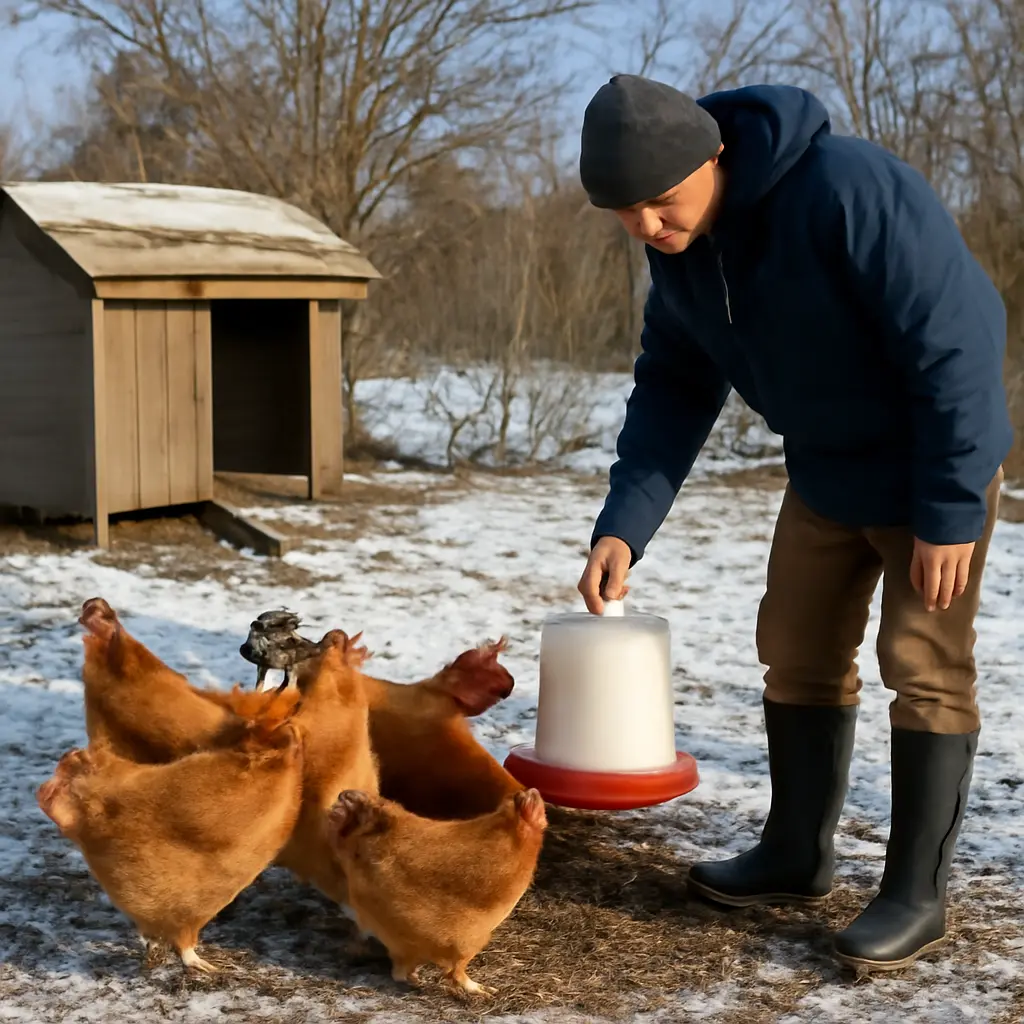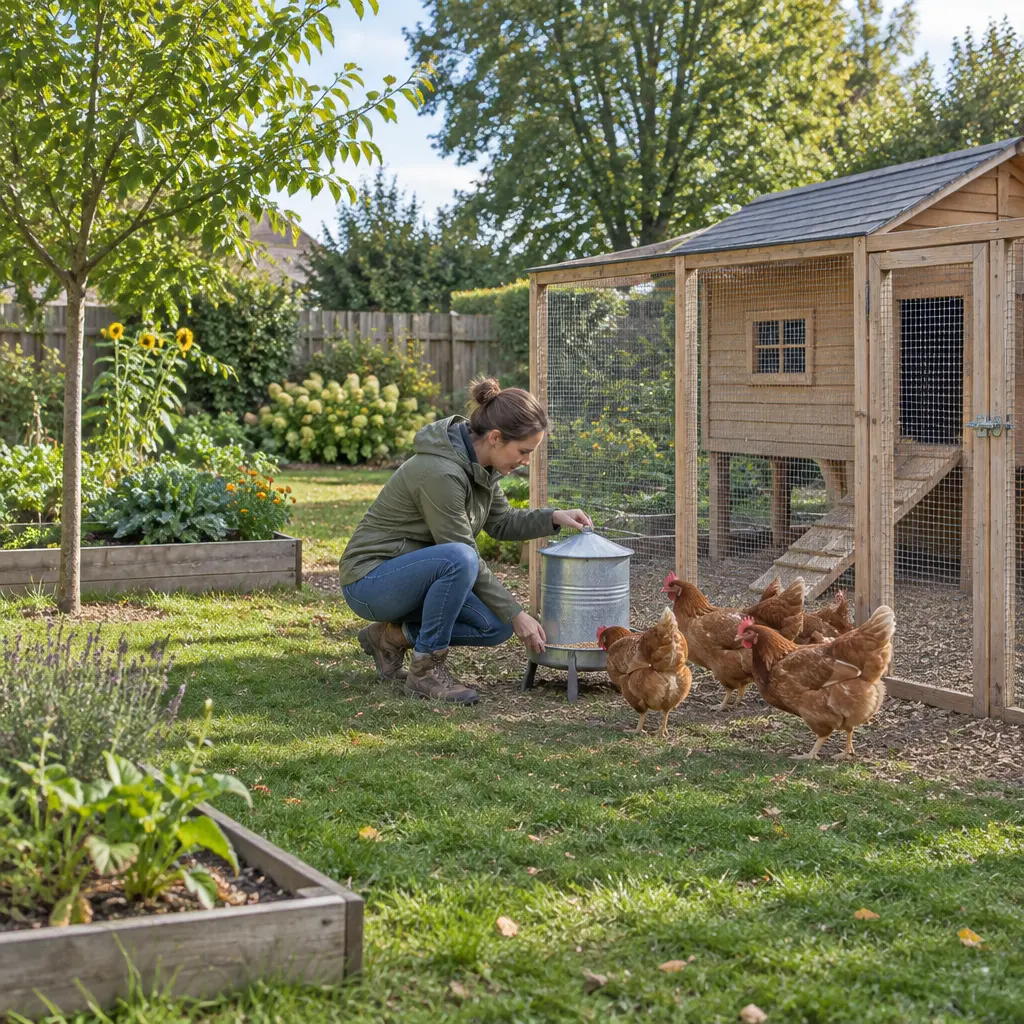
Backyard chickens are domesticated hens kept at home for eggs, companionship, or both. Starting with a small, carefully planned group can help beginners learn daily care and local rules before investing in a larger flock—but “small” still means meeting the birds’ social, space, health, and legal needs. University extension guidance commonly recommends keeping more than one hen because chickens are social; a practical starter group is often three or four compatible pullets, provided local ordinances and the available coop and run can support them. This guide explains how to test your readiness, choose birds, plan housing and costs, and decide whether to expand.
Starting Small Defines Backyard Chicken Flock Planning
Starting small means beginning with a limited number of birds while designing their care system for their full adult size and needs. It is not a trial arrangement that permits crowding, inadequate shelter, or keeping a lone chicken. University of Minnesota Extension’s guidance emphasizes planning for housing, feed, water, protection, and local requirements before obtaining birds. The main beginner choices are to start with a few young hens, raise chicks, or first volunteer or learn from an existing keeper.
A small flock can still produce more eggs than one household can use. The University of Wisconsin–Madison Division of Extension notes that laying output varies with breed, age, season, health, and daylight. A hen may lay several eggs per week during productive periods, but egg production is not guaranteed year-round. Plan for eggs as a variable benefit, not a precise daily supply.
A Small Starter Flock Is Social, Not Solitary
A starter flock is a small group of chickens housed and managed together. Because chickens form social relationships, extension educators generally advise keeping at least two birds rather than a single hen. Three or four pullets—a term for young female chickens—are a common beginner choice: they provide companionship and make it easier to observe normal behavior, while remaining more manageable than a large flock. Check local rules first, since some places limit flock size or prohibit roosters.
The Best Trial Is Preparation, Not Under-Providing
A low-risk way to test readiness is to complete the research and setup before buying birds. Confirm the rules, price a predator-resistant coop, identify a poultry veterinarian or experienced mentor, and estimate feed and bedding needs. If possible, help a neighbor care for chickens or visit a demonstration flock. This provides a realistic sense of daily chores without putting animals through a temporary or under-equipped setup.
Choosing Starter Birds Determines the First Flock’s Fit
Choosing starter birds means selecting healthy chickens whose age, sex, temperament, and expected egg production match the household’s capacity. Beginners can buy started pullets, raise day-old chicks, or adopt adult hens. Each option changes the time, equipment, health risks, and work involved. Regardless of the route, buy from a reputable hatchery, breeder, or supplier and ask about vaccination, age, breed, and sexing practices.
Started Pullets Reduce Brooding Work
Started pullets are young female chickens that have passed the early chick stage but are not necessarily laying yet. They avoid much of the specialized brooder care required by newly hatched chicks, though they still need suitable shelter, age-appropriate feed, clean water, and careful acclimation. Ask the seller to confirm their age and vaccination history; “ready to lay” can mean different things to different sellers.
Raising Chicks Requires Brooder Equipment and Daily Checks
Chicks need a warm, dry, draft-free brooder with secure flooring, chick-sized feeders and drinkers, and suitable starter feed. The University of Minnesota Extension advises that chicks require supplemental heat when young, with temperature adjusted as they grow and behavior monitored for signs of being too hot or too cold. Chicks also need frequent observation, and their eventual sex may not be certain when purchased. A beginner should arrange the brooder and a safe transition to the coop before bringing them home.
Breed and Egg Expectations Should Match Local Conditions
Breed choice affects temperament, body size, climate suitability, and laying patterns, but no breed guarantees a particular number of eggs. Ask suppliers about mature size and cold or heat tolerance, and favor calm, locally suitable birds if handling and family interaction matter. Hens do not need a rooster to lay eggs; a rooster is necessary only for fertilized eggs and may be restricted by local law.
Coop Space and Predator Protection Set the Real Flock Limit
Coop space and predator protection determine how many chickens can be kept responsibly. The coop is the enclosed sleeping and nesting shelter; the run is the protected outdoor area. The University of Minnesota Extension gives general planning guidelines of about 3–5 square feet of indoor coop space and 8–10 square feet of outdoor run space per bird, while noting that needs vary with bird size, climate, and time confined. Treat these figures as starting points, not a substitute for local advice or a design that prevents crowding.
Ventilation, Dry Bedding, and Roosts Support Healthy Housing
A functional coop provides ventilation without exposing birds to drafts at roost level, dry bedding, enough roosting space, and nesting boxes in a quiet, accessible location. Good airflow helps remove moisture and ammonia from droppings; wet, poorly ventilated conditions can harm bird welfare. Design for easy cleaning and access to eggs, and make sure the structure remains usable during local heat, cold, rain, or snow.
Predator-Resistant Construction Is Essential
Predator protection means securing birds against animals that can dig, climb, squeeze through gaps, or attack from above. Use sturdy latches, close openings, and appropriately strong wire; ordinary lightweight poultry netting may contain birds but is not necessarily a barrier against predators. Inspect the coop and run regularly for damaged mesh, gaps, and signs of digging. Bring birds into a secure coop at night rather than relying on an open yard.
Daily Chicken Care Combines Feed, Water, Hygiene, and Observation
Daily chicken care is the routine that keeps birds fed, hydrated, clean, and protected while allowing the keeper to notice illness or injury early. It includes providing a nutritionally appropriate ration, refreshing water, collecting eggs, checking the enclosure, and observing each bird. The Centers for Disease Control and Prevention (CDC) also recommends handwashing after handling poultry, eggs, or items from their environment, and keeping poultry and poultry equipment away from food-preparation areas.
Feed Must Match Age and Laying Status
Complete poultry feed supplies a formulated balance of nutrients for a particular life stage. Use chick starter for chicks and an appropriate grower ration for developing birds; laying hens generally need layer feed once they begin laying. Do not assume kitchen scraps or scratch grains can replace a complete ration. The Merck Veterinary Manual explains that nutritional needs change with age and production, so ask a poultry veterinarian or extension educator before making major feed changes or adding supplements.
Clean Water and Sanitation Reduce Avoidable Risks
Chickens need continuous access to clean water, with drinkers kept free of droppings and protected from contamination. Clean feeders and waterers regularly, remove wet bedding, and store feed in a sealed container that excludes rodents and wild birds. The CDC warns that backyard poultry can carry germs such as Salmonella even when birds appear healthy; handwashing and keeping birds out of kitchens and living areas are practical safeguards.
Observation Helps Catch Problems Early
A daily health check means observing appetite, activity, breathing, droppings, posture, and the condition of feathers and feet. Changes can signal stress, parasites, injury, or disease, though a keeper should not attempt to diagnose every problem alone. Keep the contact information for a poultry-capable veterinarian or local extension service. The U.S. Department of Agriculture’s Animal and Plant Health Inspection Service advises poultry owners to report unusual illness or deaths to a veterinarian or state animal health official.
Local Rules and Costs Shape a Sustainable Starter Flock
Local rules and total costs determine whether keeping chickens is feasible at a particular home. Municipal ordinances, zoning rules, lease terms, and homeowners’ association requirements may set limits on bird numbers, coop placement, setbacks, sanitation, or roosters. Rules differ by jurisdiction and can change, so verify them with the city or county before purchasing birds or building a coop.
Budget for Setup and Ongoing Expenses
A chicken budget includes both one-time setup costs and recurring expenses. Startup items may include the coop, run, feeders, waterers, bedding, and the birds themselves; ongoing costs include feed, bedding, repairs, and veterinary care. Prices vary widely by region and whether housing is built or purchased, so obtain local quotes rather than relying on a universal cost estimate. Planning for repairs and unexpected veterinary needs is part of responsible ownership.
Eggs Are a Variable Return, Not a Guaranteed Saving
Home-raised eggs can be a valued benefit, but they do not automatically cost less than store-bought eggs. Production can decline with age, seasonal daylight, molt, illness, or stress, while feed and housing costs continue. Before starting, compare expected local feed and setup costs with your household’s egg use, and decide how you will manage surplus eggs. Keep eggs clean and handle and refrigerate them according to guidance from your state extension service and food-safety authorities.
A Small Flock Should Grow Only After the Care Routine Works
Expansion should follow evidence that the current setup reliably meets the birds’ needs. A beginner can track feed use, egg production, cleaning time, expenses, and any health concerns for several months. Consider adding birds only after checking that local rules permit it, housing has sufficient capacity, and the new birds can be introduced safely. New arrivals may need separate observation or quarantine, so ask a poultry veterinarian or extension service for a suitable protocol.
A Simple Readiness Check
Before committing to more chickens, confirm that the flock has adequate coop and run space, dependable daily care, a secure night shelter, a feed and water routine, and a plan for veterinary help and emergencies. Also decide who will care for the birds during travel and how you will handle aging or nonlaying hens. If any part of the routine is difficult to sustain, improve the system before expanding.
Conclusion: Start With a Manageable, Fully Supported Flock
Starting small is a responsible way to learn backyard chicken keeping when it means fewer birds—not fewer safeguards. A social starter group, suitable birds, properly sized and predator-resistant housing, daily feed and water care, hygiene, and verified local rules are all essential. Egg numbers and costs vary, so treat production as a benefit rather than a promise. Check your local ordinances, consult an extension service, and build the complete care setup before bringing home chickens; expand only when the routine and space genuinely support it.
Sources: University of Minnesota Extension, Raising Chickens for Eggs, https://extension.umn.edu/small-scale-poultry/raising-chickens-eggs; University of Wisconsin–Madison Division of Extension, Raising Chickens in Your Backyard, https://extension.umn.edu/small-scale-poultry/raising-chickens-eggs; Centers for Disease Control and Prevention, Backyard Poultry, https://www.cdc.gov/healthy-pets/about/backyard-poultry.html; Merck Veterinary Manual, Management of Backyard Poultry, https://www.merckvetmanual.com/poultry/management-and-nutrition/management-of-backyard-poultry; U.S. Department of Agriculture, Animal and Plant Health Inspection Service, Defend the Flock, https://www.aphis.usda.gov/livestock-poultry-disease/avian/defend-the-flock